
English| EUR
Suggested for you
More currencies
Choose a language
Biscayne Bay offers some of the most accessible coral reef snorkeling on the Atlantic coast, but the costs vary widely depending on how you approach it. This guide breaks down every expense you'll encounter—park fees, equipment, and tour options—so you can plan your budget before you arrive at the water.
Quick answer
Biscayne National Park charges no entrance fee, making it free to access the shoreline and visitor center at 9700 SW 328th Street in Homestead. However, reaching the coral reefs requires a boat, and that's where costs begin: guided snorkel tours from concessioners typically run $45–$65 per adult for a half-day trip, including equipment. If you have your own vessel and gear, you'll only pay for fuel and any required permits.
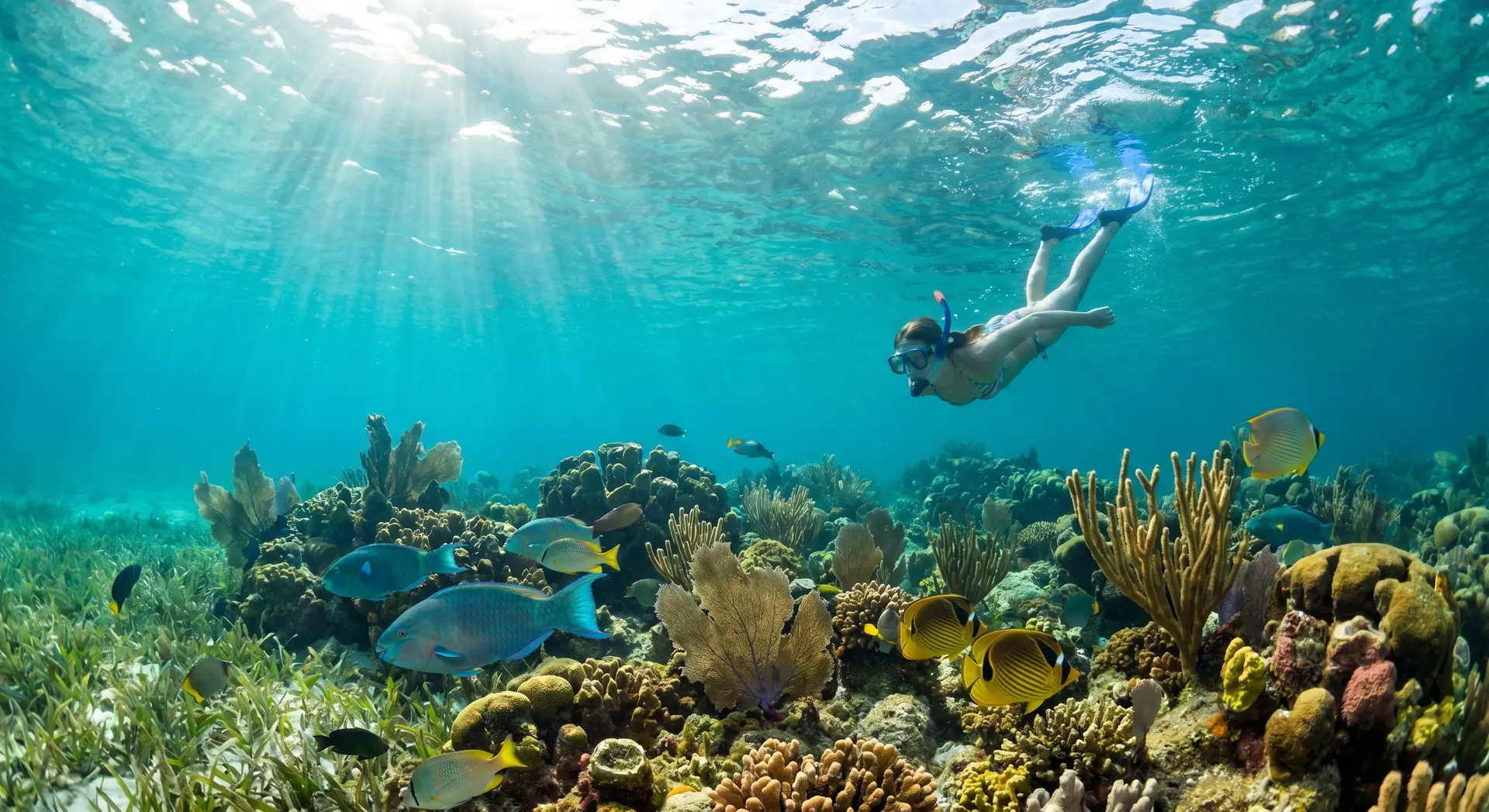
Ninety-five percent of Biscayne National Park sits underwater, and most of its celebrated elkhorn coral formations and tropical fish populations lie three to seven miles offshore in water too deep to wade. That geography shapes the cost structure for anyone planning to snorkel here. The snorkeling in Miami price equation starts with zero dollars for park admission—Biscayne operates without a gate fee—but escalates once you factor in transport to the reef sites. The park's authorized concessioners run regular departures from the Dante Fascell Visitor Center between 9:00 AM and early afternoon, with most trips lasting three to four hours. These outings bundle boat access, a naturalist guide, snorkel masks, fins, and flotation vests into a single rate. Prices fluctuate by season and group size, but expect to pay in the mid-range for a straightforward reef tour, with premium options for smaller boats or private charters climbing higher. Gear rental alone, if you arrive by private boat, costs $15–$25 per person at the visitor center. Anyone considering a Miami snorkeling budget should also account for timing. Winter and early spring bring calmer seas and better underwater visibility, which drives demand and occasionally nudges tour prices upward. Summer months see afternoon thunderstorms that can scrub departures, so concessioners sometimes discount morning slots to fill boats. The maritime shuttle route itself adds a hidden value: navigating the shallow banks and unmarked channels between the mainland and the offshore reef tract requires local knowledge that independent boaters often lack, making guided excursions a practical choice even for experienced snorkelers. Coral reef access in South Florida remains rare and tightly regulated, which keeps Biscayne's underwater trails in better condition than many Caribbean analogs. The National Park Service enforces no-anchor zones across the reef sites, and concessioner boats use mooring buoys to prevent propeller damage to the coral heads. That stewardship comes at no additional cost to visitors, but it underscores why the park's fee-free admission model works—nearly all revenue flows through the private operators who maintain the vessels and train the guides.
“Ninety-five percent of Biscayne National Park sits underwater, and most of its celebrated elkhorn coral formations lie three to seven miles offshore in water too deep to wade.”
Access to Biscayne National Park does not require an entrance fee. Costs associated with snorkeling in the bay are separate and pertain only to private equipment rentals or commercial tour services.
Verdict: Entrance to the park is 0 USD, while total costs for snorkeling depend entirely on the commercial tour operator or equipment rental service chosen.
The Dante Fascell Visitor Center at Biscayne National Park operates on a consistent schedule throughout the week. These hours dictate when visitors can access park facilities to prepare for snorkeling excursions.
The Dante Fascell Visitor Center at Biscayne National Park is located at 9700 SW 328th Street, Sir Lancelot Jones Way, Homestead, FL 33033. Reaching this site is best accomplished by car, as there is no direct public transit service to the park entrance.
Florida Turnpike (HEFT) to exit 6; follow signs for SW 328th St
Direct service to 9700 SW 328th Street
Follow signs for Convoy Point once you exit the turnpike to reach the main parking area. Aim to arrive at the visitor center early to ensure you are prepared for your scheduled tour departure.
Preparation and responsible behavior are key to a successful experience exploring the marine ecosystem of Biscayne Bay.
Apply mineral-based sunscreens containing zinc oxide or titanium dioxide to prevent chemical damage to coral colonies. Ensure application occurs at least twenty minutes before entering the water to allow for proper absorption.
Rub a small amount of non-gel, clear baby shampoo or a dedicated anti-fog solution on the inside of dry mask lenses before rinsing. This prevents visual obstruction caused by condensation during your swim.
Practice neutral buoyancy by keeping your fins away from the seafloor to avoid kicking up silt. Maintaining a horizontal position helps protect fragile seagrass beds and improves your underwater visibility.
Ensure your snorkel mask creates a tight seal against your skin without requiring excessive strap tension. Test the fit by inhaling through your nose while the mask is against your face; it should hold in place without using the strap.
Maintain a distance of at least fifteen feet from marine creatures and avoid touching coral or submerged structures. Observation provides better visibility and ensures you do not disrupt the natural behaviors of the bay inhabitants.
Everything you need to know about snorkeling in miami price
Biscayne National Park itself has no entry fee, though private boat tours to reach the reefs will have their own independent costs. Always check with licensed operators for current trip rates rather than relying on a flat snorkeling in miami price for park access.
The entrance fee to the park is 0 USD as it provides free entry to the park. Private guided tours departing from the area will require separate booking fees.
The best arrival window is 09:00–16:00 to ensure you have time for exhibits and check-in procedures. Arriving early helps you avoid the mid-afternoon rush when planning your Miami snorkeling trip.
You can arrange a guided Miami underwater excursion through authorized commercial operators that visit the coral reefs. These third-party services manage their own pricing for boat transit and snorkeling gear.
The park is open Monday through Sunday from 09:00–17:00. These daily operating hours remain consistent for your snorkeling in miami price research throughout the week.
The park does not charge a fee for access, so any snorkeling in miami price you encounter refers to third-party boat operators. Equipment rentals, such as masks and fins, are typically managed directly by these external tour companies.
Visitors should arrive between 09:00 and 16:00 to make the most of the visitor center and coastal exhibits. Being punctual is essential for boat departures to the bay and offshore maritime zones.
While park access is free, the cost for snorkeling in miami price variations depends on the tour operator, boat capacity, and duration of the reef outing. Compare different providers to find a tour that fits your budget and schedule.