
English| EUR
Suggested for you
More currencies
Choose a language
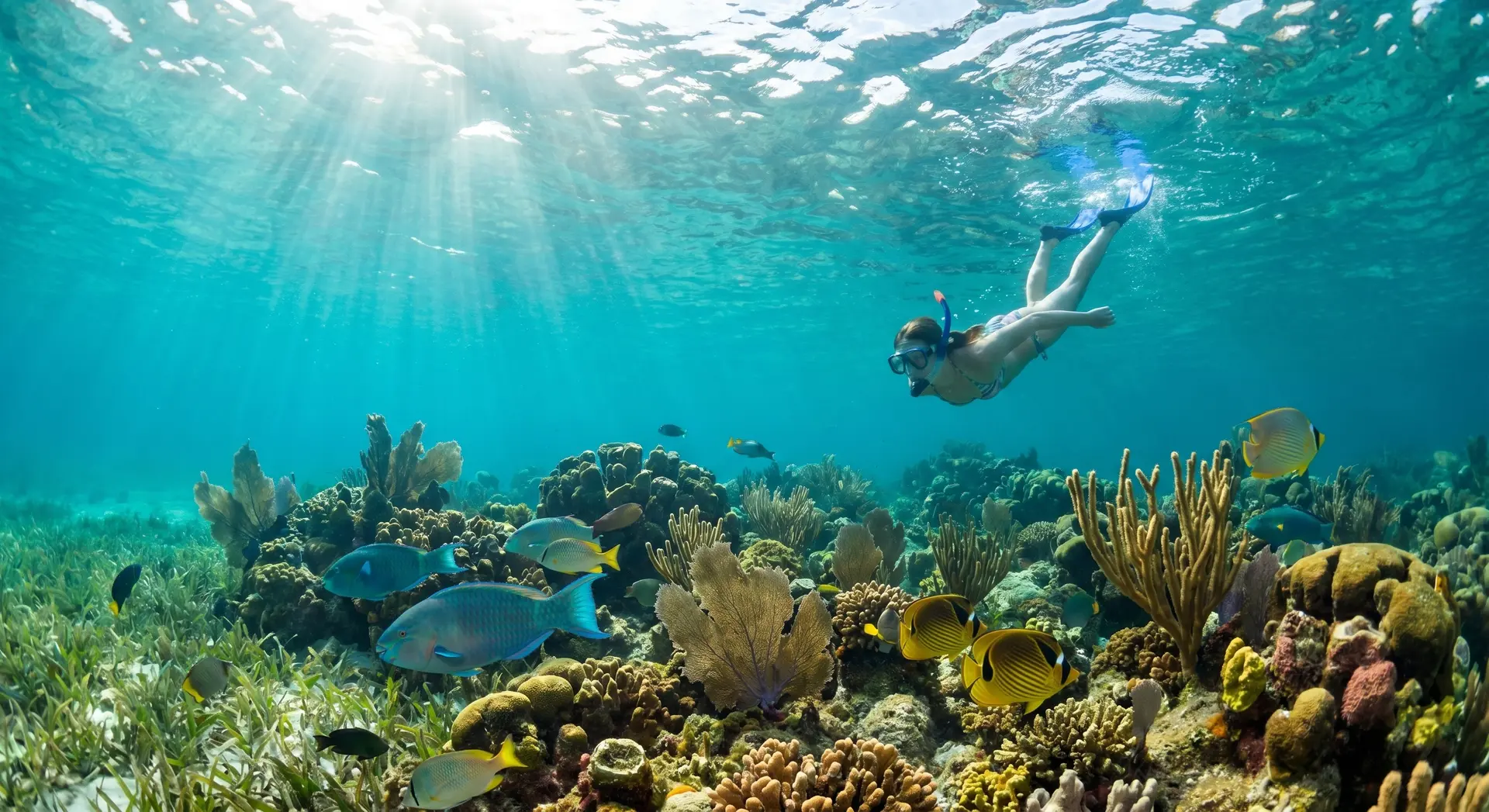
Biscayne Bay holds the northernmost living coral reef in the continental United States, protected within Biscayne National Park's 172,971 acres of water. The park's snorkeling sites range from shallow patch reefs near Elliott Key to the Maritime Heritage Trail's six shipwrecks, each accessible by boat from the Dante Fascell Visitor Center at 9700 SW 328th St, Homestead.
Quick answer
Snorkeling places in Miami center on Biscayne National Park, where elkhorn and brain coral formations thrive in water 10 to 15 feet deep. The park is open daily from 7:00 AM to 5:30 PM, with free entry—though reaching snorkel sites requires private watercraft or a concessionaire tour, as 95 percent of the park is submerged. Morning arrivals between 7:00 AM and noon offer the clearest visibility before afternoon thunderstorms reduce underwater clarity.
Biscayne Bay's reef system sits six miles offshore, far enough from Miami's urban runoff that water clarity regularly exceeds 40 feet during calm conditions. The Maritime Heritage Trail marks the only underwater archaeological park in the National Park System, with shipwrecks dating from 1878 to 1942 now serving as artificial reefs encrusted with fire coral and sponges. Elliott Key's Atlantic-facing shore offers the most accessible Miami snorkeling spots for intermediate swimmers. Patch reefs here rise within 12 feet of the surface, harboring parrotfish, sergeant majors, and juvenile barracuda that shelter in staghorn thickets. The reef's northern position means seasonal water temperature swings—78°F in January, 86°F in August—shape which species dominate at different times of year. Boca Chita Key's harbor wall creates a protected snorkel entry point where grass beds transition to hard-bottom habitat. Concessionaire boats depart the visitor center twice daily during peak season, carrying snorkel gear and park interpreters who brief passengers on coral etiquette before water entry. Private boaters must obtain a free permit and consult NOAA charts to avoid running aground on unmarked shallow banks that shift after hurricanes. The park's mangrove-lined channels support a separate snorkeling environment entirely: low visibility, high biodiversity zones where juvenile snappers and tarpon feed in tannin-stained water six feet deep. Few visitors explore these areas, but they represent the nursery habitat that sustains the offshore reef's adult fish populations. Water conditions here depend on recent rainfall and tidal exchange rather than wind patterns that govern open-bay visibility.
“Biscayne Bay's reef system sits six miles offshore, far enough from Miami's urban runoff that water clarity regularly exceeds 40 feet during calm conditions.”
The best arrival window is 07:00–12:00, which offers clearer water conditions and a lower probability of afternoon thunderstorms. Planning your visit during these morning hours ensures better visibility for snorkeling and avoids the typical daily weather shifts in Biscayne Bay.
Temperatures 75°F to 85°F. Stable weather patterns persist.
Early season provides calm seas and clear visibility.
Temperatures 85°F to 90°F. Frequent afternoon storms.
Heat index is high, but morning waters remain calm.
Temperatures 75°F to 85°F. Hurricane season concludes.
Water clarity is often high as seasonal winds decrease.
Temperatures 65°F to 75°F. Lower humidity levels.
Cooler air temperatures require attention, but days are consistently dry.
Verdict: The optimal time for snorkeling in Biscayne Bay is weekday mornings from 07:00 to 12:00 during the months of April or October.
Biscayne Bay park facilities maintain consistent operating hours throughout the week. Visitors can access the area daily from morning until late afternoon.
Biscayne National Park is located in Homestead, Florida, and is most accessible by private vehicle. Visitors should plan to drive to the main park headquarters at 9700 SW 328th St, Homestead, FL 33033.
Florida's Turnpike South to Exit 6 (Speedway Blvd)
US-1 South to SW 328th St
Direct service from Miami International Airport
A vehicle is required to reach the park entrance as there is no direct public transit service to this location. Once you arrive at the address, follow signs for the Dante Fascell Visitor Center.
Pack the right gear and verify marine park regulations before heading out to snorkel Biscayne Bay's reefs.
Everything you need to know about snorkeling places in miami
Biscayne National Park offers access to vibrant coral reefs and marine life, making it one of the most prominent snorkeling places in Miami. The protected waters of the bay provide a diverse habitat for sea turtles, rays, and numerous tropical fish species. Visitors should check local boat tour availability to reach the best offshore reef sites. Many travelers consider the bay one of the top aquatic landmarks in the region. You should plan your arrival between 07:00 and 12:00 to experience the clearest water and minimize the risk of afternoon thunderstorms. This early window also helps avoid the largest crowds during peak season. Morning conditions are typically more stable for ocean activities. Entry to the park is 0 USD as there is free entry to the park for all visitors. While park access is free, you may need to book a boat excursion to reach the actual snorkeling sites. Please check official listings to find licensed operators for your trip. The park is open daily from 07:00–17:30 throughout the week. These consistent operating hours allow for flexible planning during your visit. Make sure to depart well before closing time if you are taking a private vessel. Yes, families frequently enjoy the shallow, calm waters found in certain parts of the park. It is a suitable environment for children to observe sea grass beds and small marine organisms. Always prioritize safety and ensure children wear appropriate flotation devices at all times. Most boat operators do not provide gear as part of the base park access, so you should verify if your chosen vessel includes mask, snorkel, and fin rentals. Bringing your own equipment is often recommended for comfort and proper fit. Ensure all gear is cleaned before entering the sensitive marine environment. Preparing for your underwater adventure involves checking weather conditions and tide charts, which significantly impact water clarity. Hydration and sun protection are essential when spending time on the water. Following park guidelines regarding reef protection helps preserve the ecosystem for future visitors. Biscayne Bay is distinct from other snorkeling places in Miami due to its status as a federally protected national park. Unlike crowded public beaches, this area focuses on conservation and maintaining the health of the Florida reef tract. The emphasis on nature makes it a premier destination for those seeking a more authentic maritime experience.