Snorkeling In Miami
Visitor Guide

Does Miami Have Good Snorkeling

Biscayne Bay shelters the northernmost living coral reef system in the continental United States, a shallow-water environment that spans 173,000 acres of protected seabed. The question isn't whether Miami offers good snorkeling, but which of the bay's six distinct underwater zones matches your skill level and the day's wind forecast.

8 min read Updated 2026-09-30 Fact-checked
Does Miami Have Good Snorkeling

Quick answer

Yes, Miami has excellent snorkeling in Biscayne National Park, where visibility typically reaches 30 to 60 feet during calm conditions. The Maritime Heritage Trail includes six shipwrecks in 10 to 25 feet of water, and the reef system supports over 200 fish species and 40 hard coral species. Morning outings between 9:00 and 12:00 deliver the clearest water, especially from November through April when southeast trade winds settle.

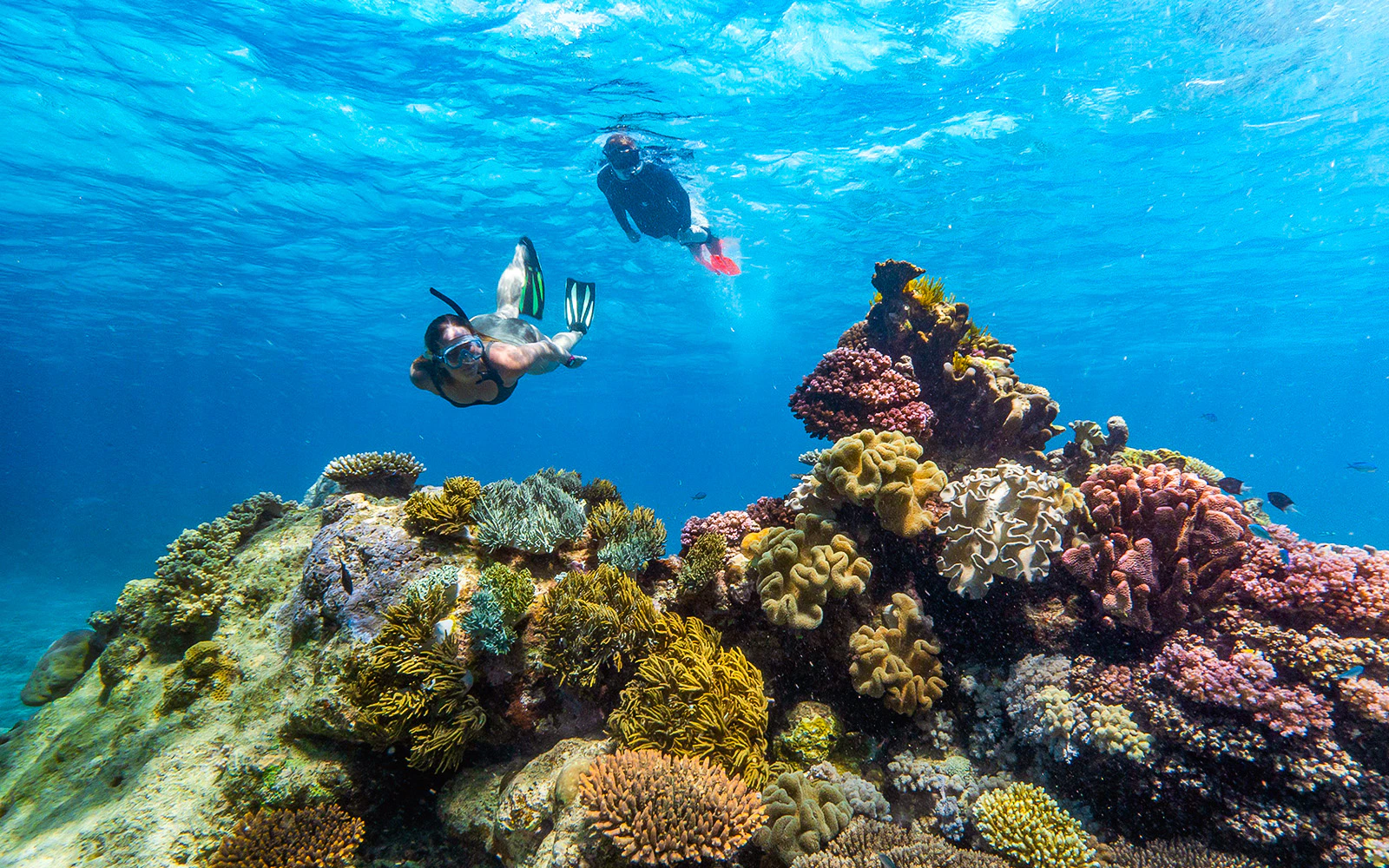
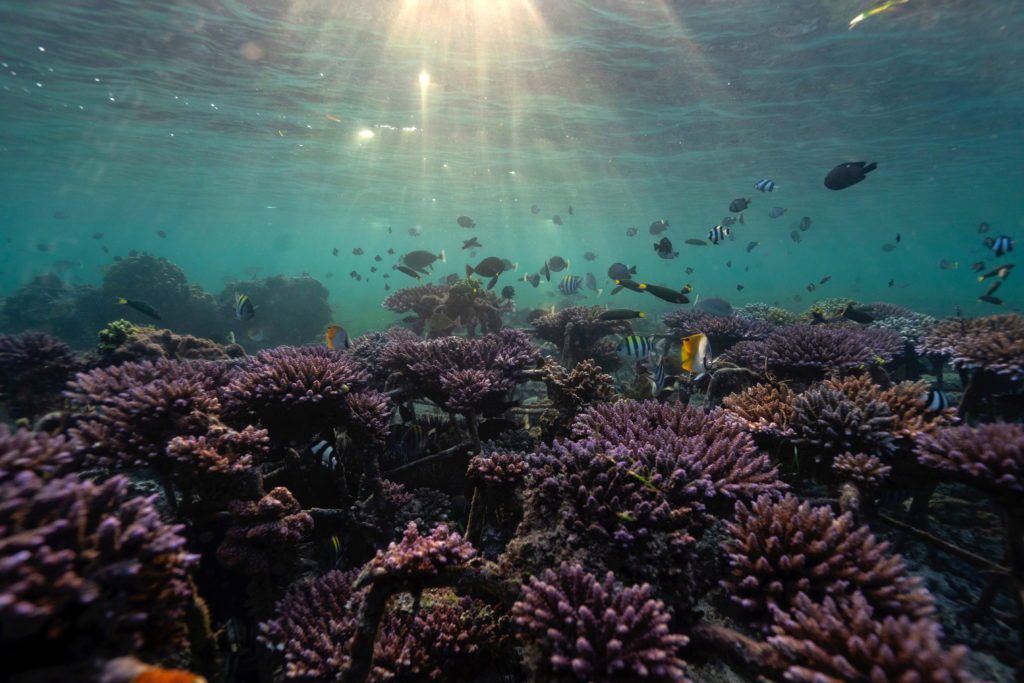
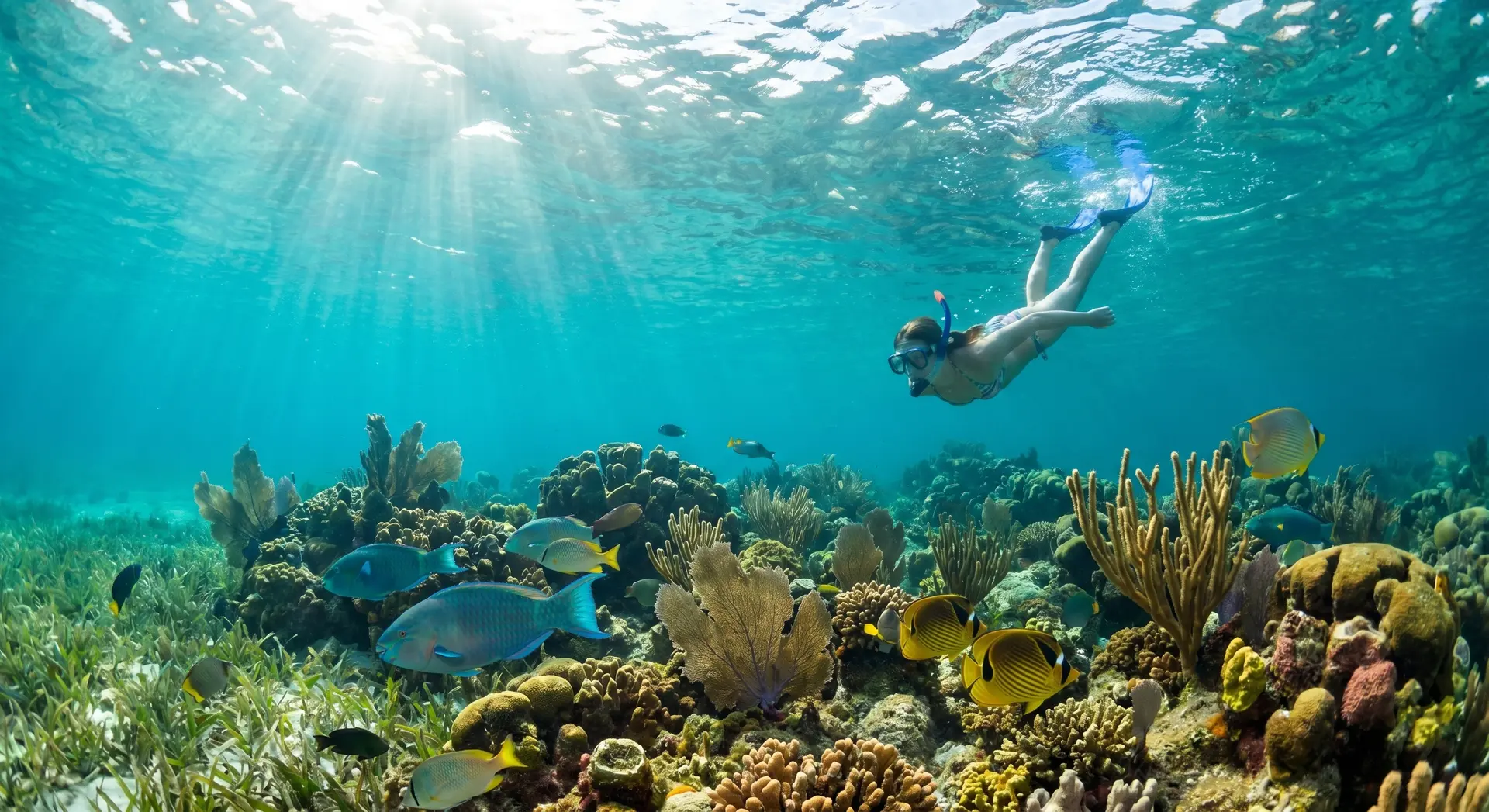
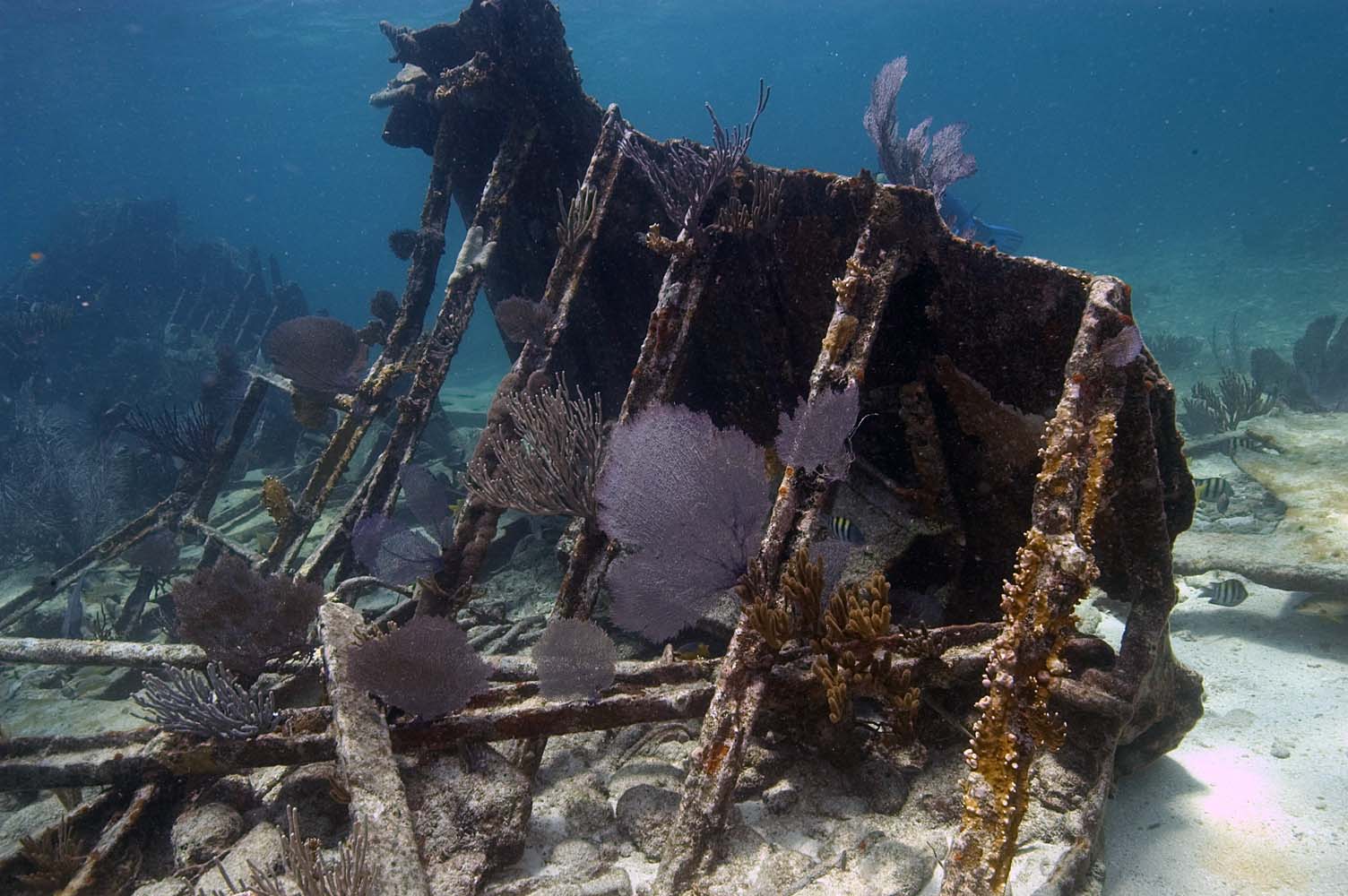
Biscayne Bay's underwater topography divides into shallow hardbottom, patch reefs, spur-and-groove formations, and deeper fore-reef slopes—each hosting distinct marine communities. The park's Maritime Heritage Trail positions six shipwrecks as snorkeling waypoints: the Mandalay, a steel schooner resting in 10 feet of water off Elliott Key, draws the most first-time visitors because its ribs and deck beams lie close enough to touch without certification. Does Miami have good snorkeling conditions year-round? Water temperature remains between 75 and 85 degrees across all seasons, but visibility swings with tidal exchange and weather patterns. Winter months bring the steadiest clarity—40 to 60 feet on protected mornings—while summer storms churn sediment and reduce sightlines to 20 feet or less. The reef crest sits only 4 to 8 feet below the surface in many zones, shallow enough that snorkelers can study elkhorn coral branches and spot juvenile grunts sheltering in staghorn thickets without finning hard against current. The park encompasses 95 percent water, and no roads cross it. Access requires a private boat or a concessionaire-operated tour departing from Homestead Bayfront Park or Black Point Marina. Most guided trips anchor at Bache Shoal or the reef tract east of Sands Key, where mooring buoys eliminate the need to drop anchors onto living coral. Strong swimmers familiar with boat-based entries will find the offshore sites less crowded than the near-shore trail; weekday mornings in spring see fewer than a dozen boats spread across several square miles of reef. Southeast Florida's reef system faces documented pressures—bleaching events, nutrient runoff, and shifting baseline temperatures—but Biscayne's protected status has kept large sections of coral cover intact. Snorkelers entering the water at Convoy Point can swim the quarter-mile mangrove shoreline trail, where juvenile barracuda and bonefish hunt in knee-deep water. The contrast between above-surface mangrove roots and the submerged sponge gardens illustrates why the bay functions as a nursery: structure at every depth, and enough tidal flush to sustain it.

“The reef crest sits only 4 to 8 feet below the surface in many zones, shallow enough that snorkelers can study elkhorn coral branches without finning hard against current.”
Timing

Does Miami Have Good Snorkeling During Morning Hours?

The best arrival window is 09:00–12:00, as morning hours provide the calmest water conditions and highest visibility for snorkeling in Biscayne Bay. Planning your visit during this period maximizes your opportunity to experience the clearest aquatic environment before afternoon winds increase.

Late Spring (April–May)

Moderate crowds

80°F to 85°F, calm seas. Water temperatures warm up, and visibility remains high before the summer humidity begins to rise.

Summer (June–August)

Higher crowds

85°F to 90°F, potential rain. Expect frequent afternoon thunderstorms that may temporarily reduce water clarity.

Fall (September–October)

Lower crowds

80°F to 88°F, risk of storms. Early fall offers warm water and fewer visitors, though monitoring tropical weather patterns is necessary.

Weekday mornings

Low crowds

—

Arriving at 09:00 during the week minimizes boat traffic and ensures the quietest conditions for exploring the reefs.

Verdict: The concrete best slot is weekdays between 09:00–12:00 during April or October to balance favorable water clarity, lower crowd density, and temperate weather.

Prices

Is There A Cost When Asking Does Miami Have Good Snorkeling In Biscayne Bay?

Access to Biscayne National Park does not require an entrance fee. Costs for snorkeling activities depend on independent boat tours and equipment rental services.

Park Entrance Public access is free of charge.
0 USD
Boat Tours Fees set by authorized service providers.
Variable
Equipment Rental Fees set by authorized service providers.
Variable
Entrance to the park is free for all visitors.

Verdict: A typical visitor pays 0 USD for park entry, with final costs determined by selected boat tour and rental providers.

Opening hours

When To Visit To See If Miami Has Good Snorkeling

Biscayne National Park remains open daily to accommodate visitors interested in exploring the bay. The facility operates on a consistent schedule throughout the week.

Monday
09:00–17:00
Tuesday
09:00–17:00
Wednesday
09:00–17:00
Thursday
09:00–17:00
Friday
09:00–17:00
Saturday
09:00–17:00
Sunday
09:00–17:00
Visitors should plan their arrival to allow sufficient time for their intended activities before the park closes at 17:00.
Directions

How To Navigate To Biscayne Bay For Good Snorkeling

Biscayne National Park is located south of downtown Miami. Driving is the most reliable method to reach the Dante Fascell Visitor Center at 9700 SW 328th Street, Sir Lancelot Jones Way, Homestead, FL 33033.

Car 60-80 min —

Florida Turnpike south to exit 6 (Speedway Blvd), then follow signs to SW 328th St

Car 70-90 min —

US-1 south to SW 328th St (North Canal Dr), then head east to the park entrance

Follow signs for the Dante Fascell Visitor Center once you reach Sir Lancelot Jones Way. Arriving between 09:00–12:00 provides the calmest water conditions and highest visibility for snorkeling.

What to see

Which Biscayne Bay Areas Prove Does Miami Have Good Snorkeling?

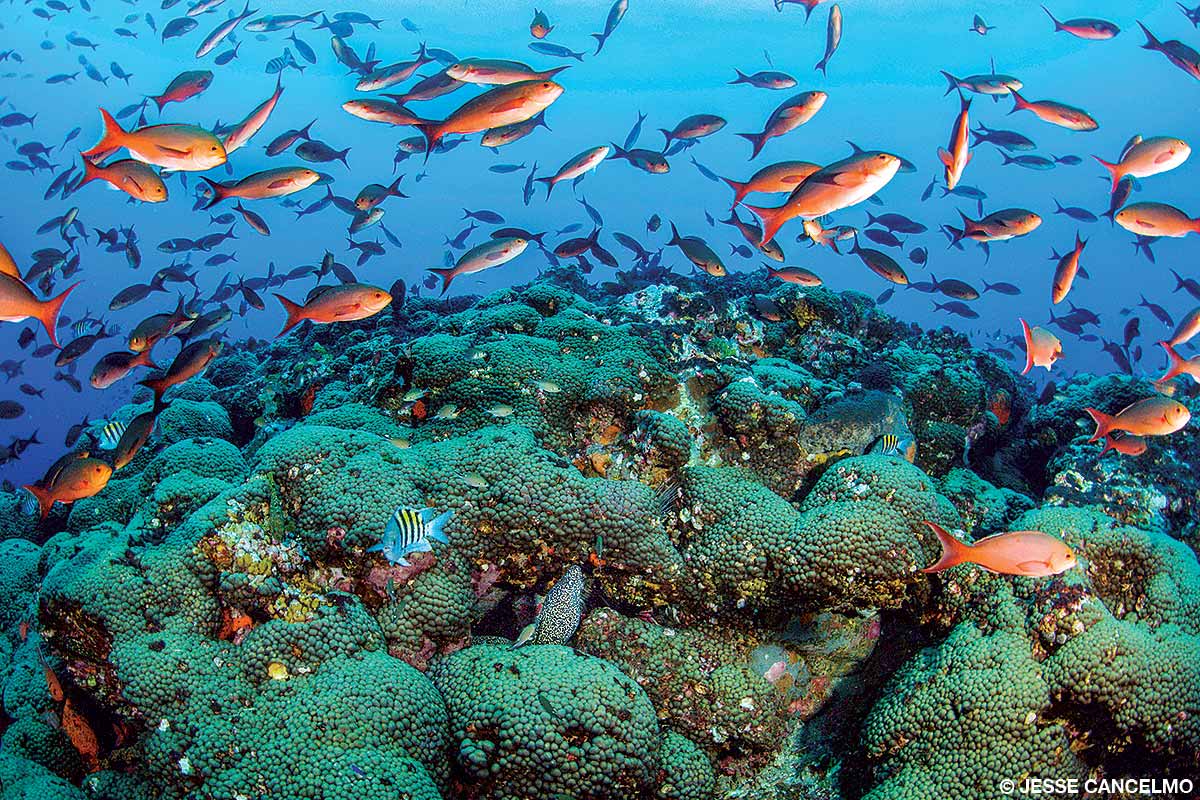
Biscayne National Park offers distinct snorkeling environments, ranging from shallow reef patches to historical maritime sites. These habitats provide opportunities to observe coral formations and marine life within the bay.

Maritime Heritage Trail

Maritime Heritage Trail

This underwater archaeological trail features several shipwrecks accessible to snorkelers in calm conditions. The sites allow observation of how sunken vessels become artificial reefs.

Look for schooling fish near the bow and stern sections.
Ball Buoy Reef

Ball Buoy Reef

Located on the outer reef line, this area provides clear water and a variety of hard and soft corals. It is a habitat for sea turtles and Caribbean reef sharks.

Snorkel along the reef edge for better visibility.

Admiralty Point

Admiralty Point

This site features a shallow reef structure that is suitable for observing diverse marine invertebrates. It serves as an example of the park's protected northern reef ecosystems.

Follow the tide patterns to experience the clearest water.

Long Reef

Long Reef

Known for its extensive coral gardens, this area supports a high density of reef fish species. It offers a profile of the shallow reef shelf characteristic of the Florida Keys transition zone.

Stay near the shallower crest to see colorful sponges.

Checklist

Preparing For A Trip To Determine Does Miami Have Good Snorkeling

Plan ahead to make the most of your snorkeling experience in Biscayne Bay's protected waters.

Book

Check availability

Frequently asked

Frequently Asked Questions About Snorkeling in Biscayne Bay

Everything you need to know about does miami have good snorkeling

Does Miami have good snorkeling in Biscayne Bay?

Biscayne Bay offers access to vibrant coral reefs and diverse marine life, confirming that yes, does miami have good snorkeling if you know where to go. Exploring this aquatic preserve provides a unique look at the shallow-water ecosystems found in South Florida. Many visitors find that seeking out Miami reef excursions enhances their experience significantly. Since the bay is expansive, traveling by boat is the most effective way to reach the clearest sites where does miami have good snorkeling potential is highest. While does miami have good snorkeling often depends on weather and water clarity, the bay remains a popular destination for those interested in exploring protected marine environments. The park itself has free entry, though boat tours and equipment rentals require separate fees. Plan your visit accordingly to ensure you have the necessary gear and transport booked in advance. For the most favorable water conditions, aim to arrive between 09:00 and 12:00. Morning hours typically offer the calmest water and highest visibility for snorkeling enthusiasts. You should pack sun protection, a towel, and comfortable footwear for the dock area. Bringing your own equipment is optional, but many visitors choose to utilize professional rental services for a better experience. Yes, children are generally welcome, but their participation often depends on the specific requirements of the boat tour operators. Always check with the provider regarding age or swimming ability prerequisites before booking your excursion.

Keep reading

More guides & pages